
Frequently asked questions
FAQs
What is offshore wind and how does it work?
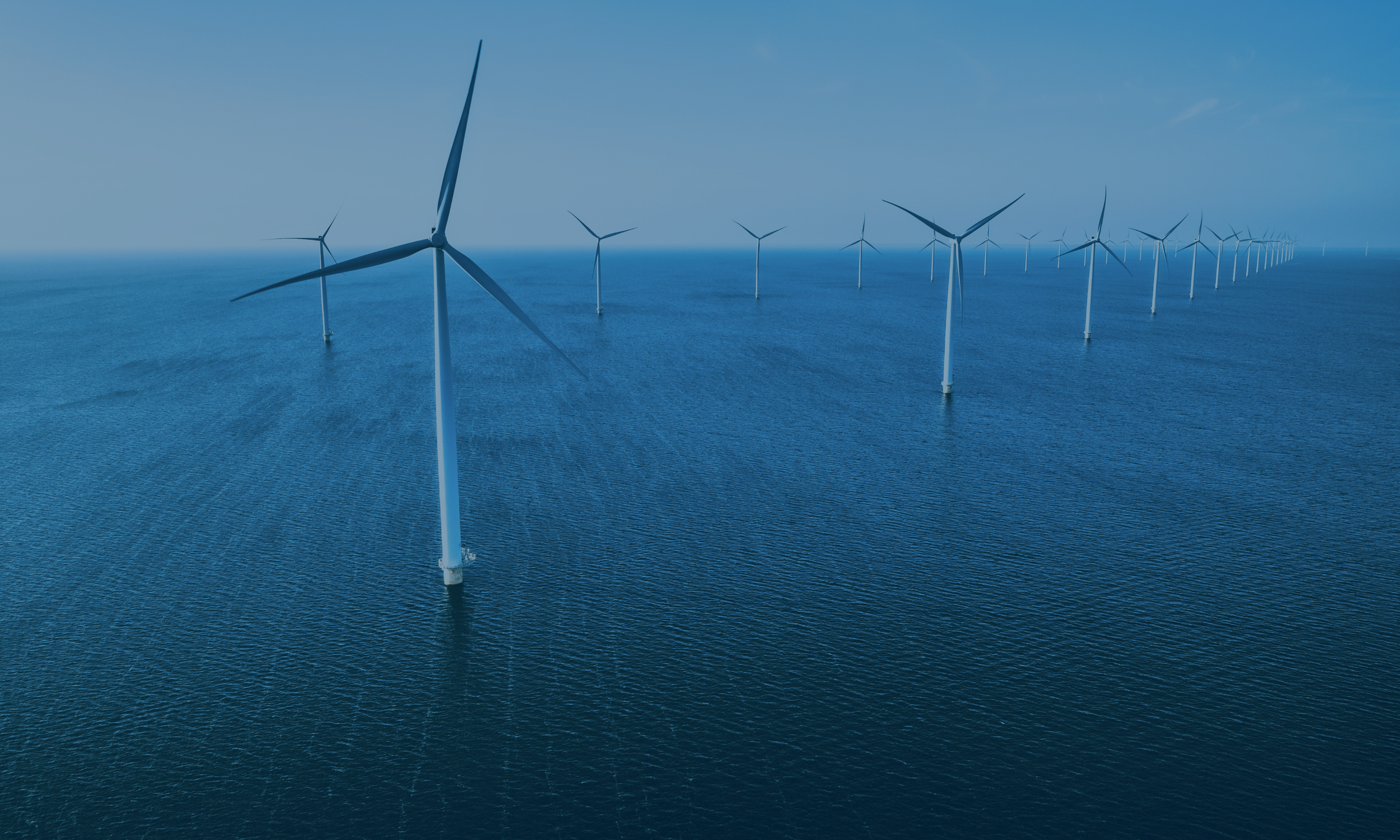
Offshore wind uses wind turbines placed in the ocean to convert wind energy into electricity. Wind turns rotor blades connected to a nacelle that houses a generator. Electricity is transmitted via submarine cables to onshore substations and integrated into the grid.
Why should North Carolina develop offshore wind?
Offshore wind offers a large, predictable source of fuel-free energy that can help meet growing demand, diversify the energy mix, support economic development, and create jobs in manufacturing, construction, operations, and supply chain services.
What are the expected benefits for North Carolina?
New, long‑term job opportunities and workforce development.
Increased local economic activity from port upgrades, manufacturing, and services.
Enhanced energy diversity and resilience by adding offshore generation to the grid.
Reduced greenhouse gas emissions and improved air quality.
How much power can offshore wind provide for North Carolina?
Potential capacity varies with project scale. Commercial offshore projects are usually multiple gigawatts (GW) that can power hundreds of thousands of homes. For example, the Coastal Virginia Offshore Wind Project is 2.6 GW, enough to power 660,000 homes.
Where would offshore wind turbines be located off North Carolina’s coast?
Turbines are typically sited in federal waters (beyond 3 nautical miles offshore) where wind resources are strongest. Specific lease areas are identified through federal leasing processes and project developers propose exact turbine layouts following environmental studies, military, and regulatory review.
Will offshore wind affect coastal views and tourism?
Visibility depends on turbine distance from shore, turbine height, and local topography. Most offshore projects in the Southeast are sited beyond the visual horizon from most beaches. Mitigation measures and careful siting aim to minimize visual impacts. Studies from other states show mixed effects on tourism, and in some cases, increased tourism. Many communities continue to attract visitors while benefiting from offshore wind activity.
How will offshore wind affect commercial and recreational fishing?
Project planning includes stakeholder engagement with fishing communities. Mitigation strategies can include seasonal construction windows, navigational measures, compensation or coordination arrangements, and careful cable routing. Fisheries impacts are evaluated in environmental reviews and through ongoing monitoring.
What are the environmental impacts, and how are they addressed?
Potential impacts include effects on birds, bats, marine mammals, fish, benthic habitats, and noise during construction. Environmental assessments and permitting under federal and state laws evaluate impacts and require mitigation, monitoring, and adaptive management. Best practices and technology (e.g., noise reduction during pile driving) are used to reduce impacts. Learn more here.
How will offshore wind affect the power grid and electricity reliability?
Grid integration studies assess how new offshore generation can be connected and dispatched to maintain reliability. Offshore wind can provide significant generation but usually requires transmission upgrades, coordinated planning with grid operators. Offshore wind consistently generates electricity, matches the capacity factor of traditional generation resources, and provides reliability when other generation resources fail.
What are the main steps in developing an offshore wind project?
Federal lease acquisition (BOEM) and site characterization.
Environmental and permitting reviews (NEPA and other federal/state permits).
Community and stakeholder engagement.
Project design and engineering, including turbine selection and export cable routing.
Construction (installation of foundations/turbines and cable laying).
Commissioning and commercial operation.
Ongoing operations, maintenance, and monitoring.
How long does it take to develop an offshore wind project?
Development timelines typically span several years: lease and initial studies (1–3 years), permitting and detailed design (2–4 years), construction (1–3 years), then operations for multiple decades. Timelines vary by project complexity and regulatory processes.
Will offshore wind lower electricity bills?
Offshore wind is a fuel-free resource; in other words, ratepayers never have to incur the cost of fuel. Offshore wind can put downward pressure on electricity prices when operating because of low marginal costs, but overall impacts on retail bills depend on project costs, financing, transmission upgrades, and policy choices. Proper procurement and competitive processes help secure cost‑effective projects.
How are ports and local businesses involved?
Ports are critical for staging, assembly, and operations support. Investments in port upgrades create local jobs and long-term service opportunities. Local firms can provide fabrication, logistics, transport, vessel services, and maintenance support. Workforce training programs help prepare local labor.
What jobs will offshore wind create in North Carolina?
Jobs across manufacturing, engineering, construction, vessel operations, logistics, port operations, environmental monitoring, and long‑term O&M. Many roles require a range of skills from entry‑level to specialized technicians and engineers. Job estimates depend on project scale and local content.